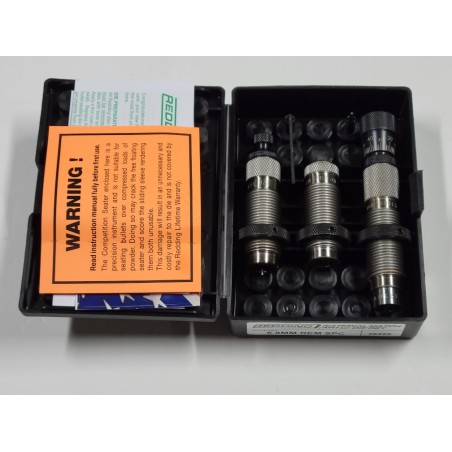
- Out-of-Stock
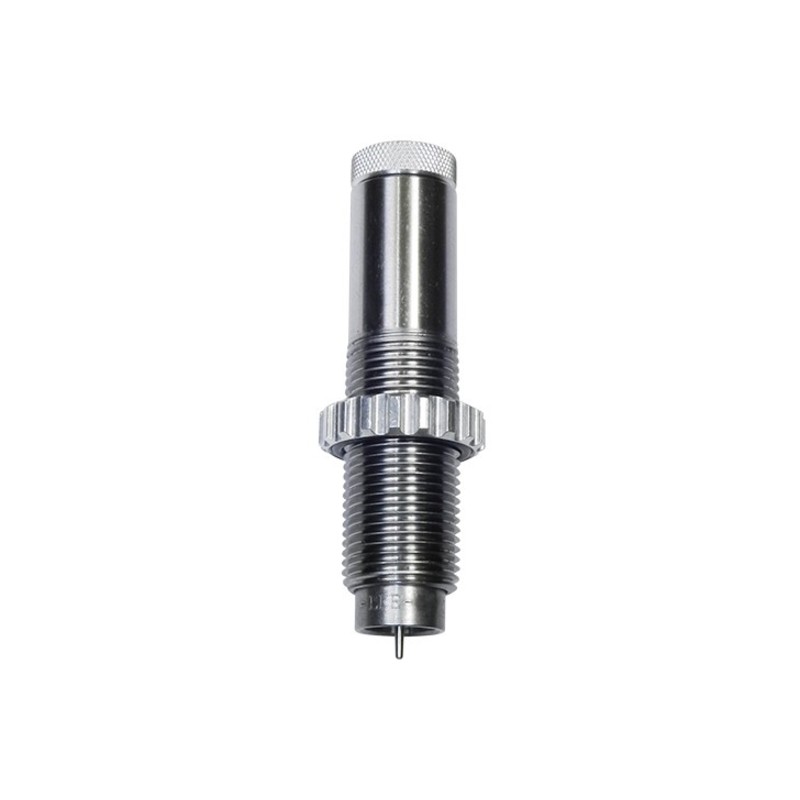
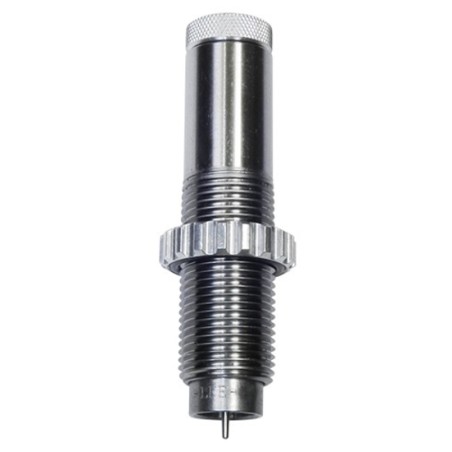
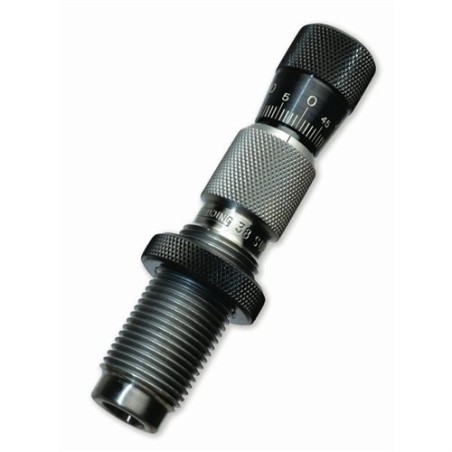
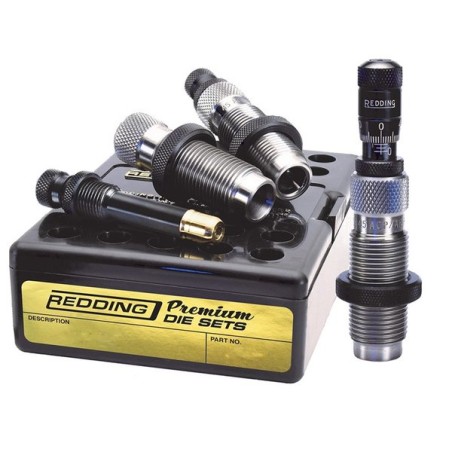
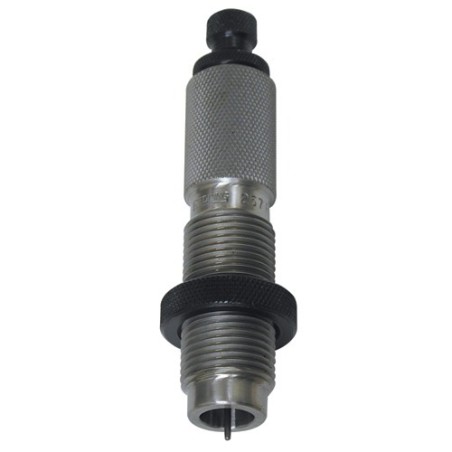
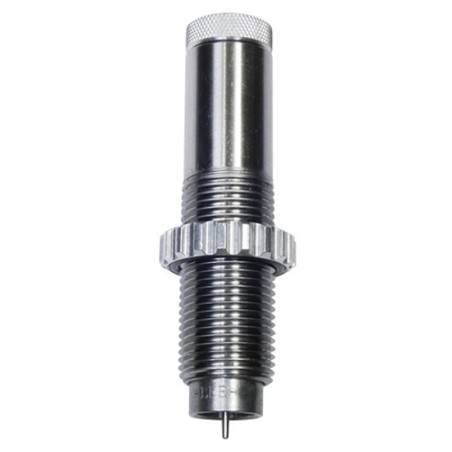
The Neck Sizer 300 AAC Blackout is the specific tool used to control the neck diameter of cases intended for the .300 AAC Blackout cartridge. In reloading, neck sizing affects bullet concentricity, pressure consistency, and therefore accuracy. For those seeking repeatable results at the range, understanding the neck sizer's role and correct setup is essential.
It's intended for reloaders working with 300 AAC Blackout, both in recreational shooting and precision testing. Its main function is to return the case neck to the dimensions required to hold the bullet in a controlled manner.
Practical benefits include improved case uniformity after multiple uses and reduced variation among pieces. This leads to more consistent ammunition performance and fewer surprises on the chrono or target.
From workshop experience, a correct adjustment reduces time spent sorting cases and builds confidence when assembling batches of ammunition for practice or competition.
Start by inspecting the cases: check for cracks, severe dents, or debris that could prevent uniform sizing. Sorting by length and condition simplifies the next steps.
The sizing process is performed with the press and the appropriate die set. Follow the standard reloading sequence: deprime, clean if necessary, trim to length, and then size the neck with the neck sizer.
Final setup includes trial measurements of neck diameter and a seating check to verify concentricity and fit. In practical experience, making several light passes and checking between them avoids removing too much material and preserves case life.
Keeping work surfaces and dies clean extends tool performance. After each session, remove residues and apply a light coat of recommended lubricant to prevent corrosion and sticking.
Recording the adjustments used for each case batch helps reproduce results later. Notes on number of passes, applied pressure, and diameter readings aid process traceability.
For safety and ergonomics, wear gloves when handling heated parts or after heat treatment, and ensure the press is securely mountedcommon practices validated by workshop experience.
The Neck Sizer 300 AAC Blackout is intended for cases that match .300 AAC Blackout specifications. Confirm compatibility with your press and die set before operating to avoid damage.
If working with cases from different sources or brands with varying tolerances, perform preliminary tests to determine the degree of neck reduction needed. Expert experience shows validating with control samples saves time and materials.
Avoid attempting large neck reductions in a single pass: perform progressive adjustments and measure between interventions to ensure the target diameter is not exceeded and the case neck thickness is preserved.
Yes: using a neck sizer designed for 300 AAC Blackout dimensions ensures proper neck adjustment and more consistent results.
It depends on usage and maintenance. Regular visual inspection and measurement will detect wear before it affects reloading quality.
It is not recommended: each caliber has specific tolerances. Using a dedicated tool avoids undesirable variation and ballistic safety issues.
If neck diameter measurements or range results show unacceptable variation, it indicates the cases need neck sizing.
In short, the Neck Sizer 300 AAC Blackout is a cornerstone in the reloading process for that caliber. Applying systematic procedures, keeping records, and maintaining a cleaning routine optimizes production and extends the life of both tools and cases. Practical experience shows that careful attention in this stage results in more stable ammunition and reproducible performance.