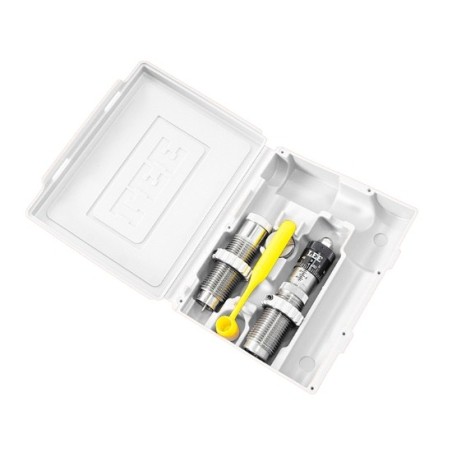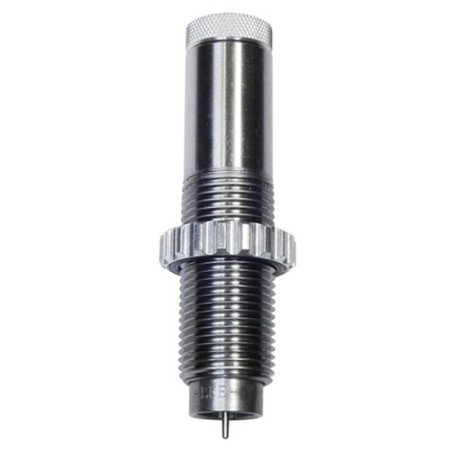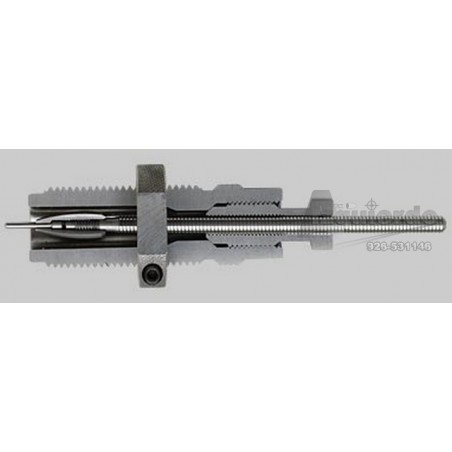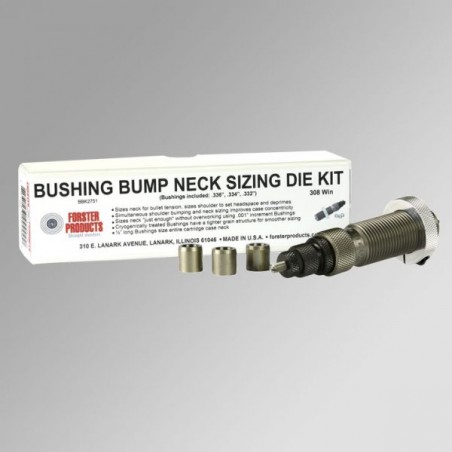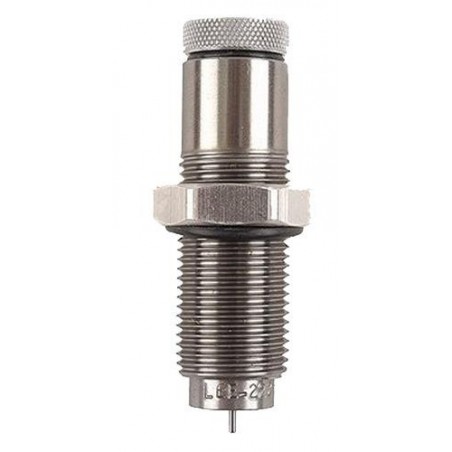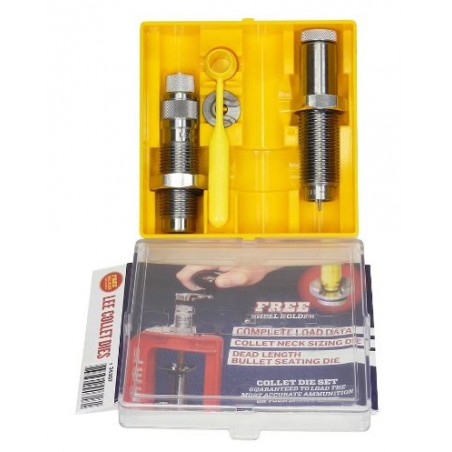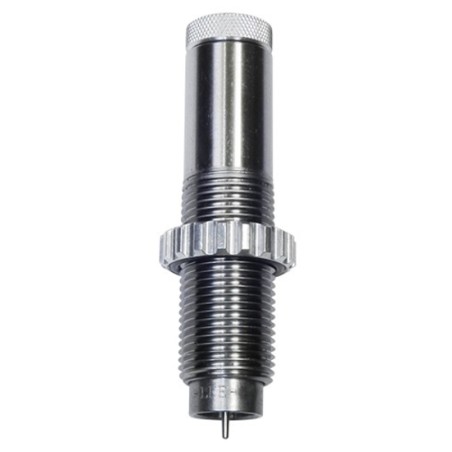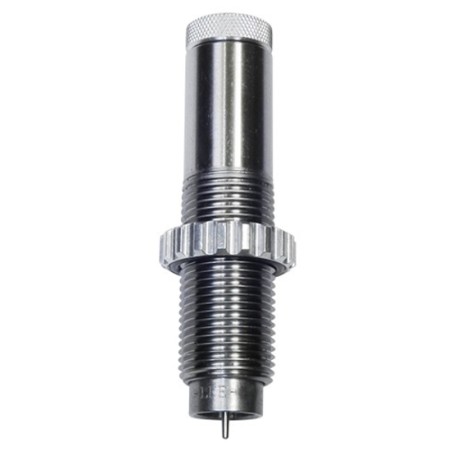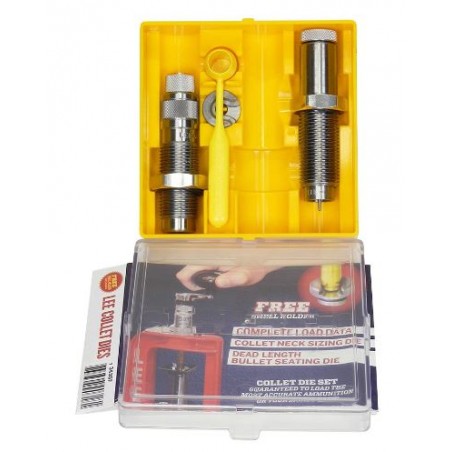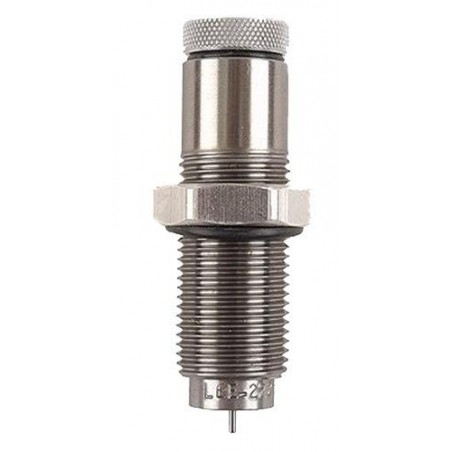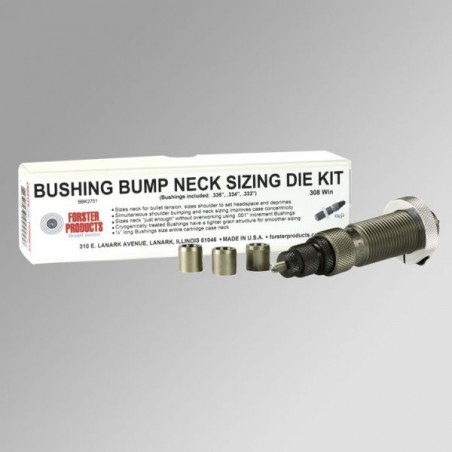
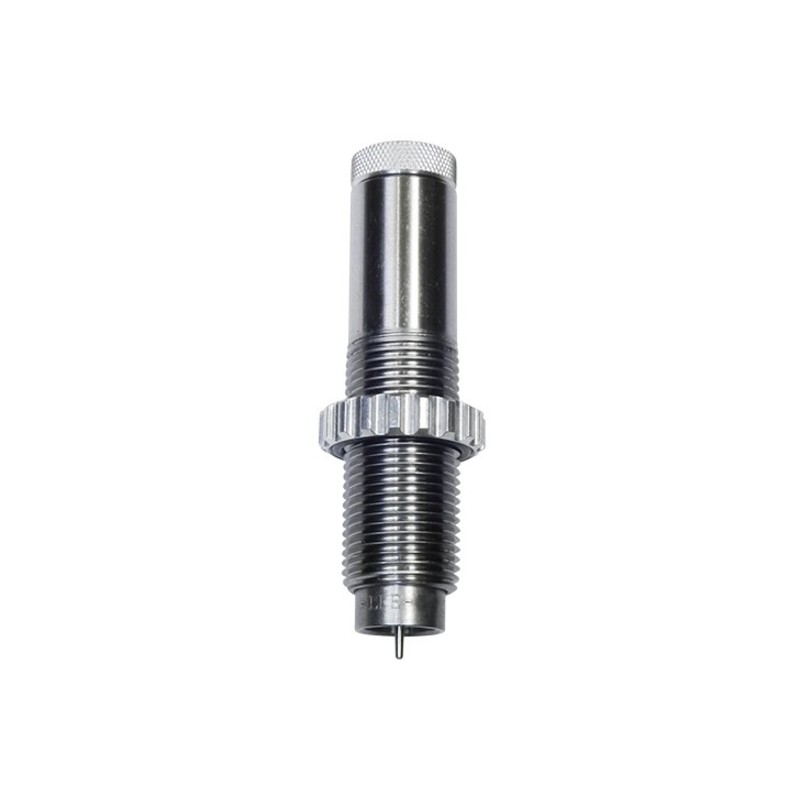
A neck sizer for 6.5 Creedmoor is a specialized die used to standardize and control the neck portion of cases without altering overall case length. For precision shooters, reloaders and hunters seeking repeatable groups, a neck sizer delivers clear benefits: it improves concentricity, controls neck tension around the bullet and reduces variability that affects accuracy. Unlike full-length sizing, which restores dimensions across the entire case, a neck sizer focuses on the section that holds the bullet, preserving body dimensions that may have been formed to a particular chamber through fireforming.
Practically speaking, neck sizing helps extend case life by avoiding unnecessary work on the case body. Experienced reloaders often pair neck sizing with an appropriate selection of bushings or with a gentle expander to attain the right neck tension for the specific bullet and charge combination. Competitive handloaders value the repeatability offered by neck sizers because they allow fine-tuning of neck tension without disrupting the case body alignment with the chamber.
The common uses for 6.5 Creedmoor involve precision loads: when cases are dedicated to one rifle, when fireforming has already set the body shape, or when the goal is to adjust neck grip to optimize bullet jump. In these scenarios the neck sizer acts as a tuning tool, enabling the reloader to control how tightly the neck grips the projectile, which in turn affects the consistency of the bullet release, the shot-to-shot point of impact and overall shot-to-shot dispersion.
Deciding to incorporate a neck sizer depends on reloading frequency, whether you prioritize case longevity, and the level of precision you need. For those focused on accuracy and uniformity, a neck sizer tailored for 6.5 Creedmoor is a precise instrument that provides fine control of the critical interface between bullet and case neck without altering other case dimensions.
Choosing a neck sizer begins by identifying the die style that matches your objectives. Bushing-type systems allow you to change bushings to vary neck tension, enabling iterative testing to find the ideal fit for your bullet and powder combo. Fixed neck dies are simpler and quicker to use, but they provide fewer fine adjustments and are often preferred for straightforward, fast reloading workflows.
Compatibility with your press and shellholder is essential. The die must fit the diameter of 6.5 Creedmoor cases and operate cleanly within your press setup. Competitive reloaders often emphasize die construction and tolerances: a well-finished die reduces friction and wear on cases, improving longevity and consistency. Consider the material and finish of the die; polished surfaces and proper heat treatment help maintain dimensional stability over time.
When it comes to the bushing, begin with a size that creates slight compression of the neck on the bullet and adjust from there based on feeding and accuracy. Experienced shooters frequently use concentricity checks and runout measurements to select the bushing that minimizes variability. Investing in a set of bushings or a flexible adjustment system makes it easier to optimize neck tension for different bullets and loads.
Begin with a thorough inspection of each case for cracks, dents or deformities. The starting condition of a case heavily influences the result. Clean or tumble the cases if necessary, then proceed to decap and then to neck sizing. With a bushing die, install the chosen bushing and perform one pass through the press, noting how the case fits and the effort required.
After sizing, measure concentricity and runout. Low runout correlates with better group performance. If feeding issues or excessive looseness are observed, move to a smaller bushing or use a slightly smaller expander. Competitive reloaders make incremental adjustments and test-fire groups until they achieve the desired balance of feeding reliability and accuracy for the 6.5 Creedmoor platform.
Finally, trim and chamfer as needed so that bullet seating is smooth and consistent. After seating, verify feeding and group consistency in the rifle under controlled conditions. This iterative approach inspect, size, measure, adjust, test is the standard process many precision-minded reloaders use with a neck sizer to extract consistent performance from their 6.5 Creedmoor loads.
Maintenance of a neck sizer is straightforward and essential. Clean the inside of the die regularly to prevent metal shavings from abrading cases. Store bushings in a dry environment to preserve tolerances. Also check the die seat in the press; a loose or misaligned die will introduce variation that undermines concentricity and precision. Experienced handloaders check these items frequently to keep processes stable.
Common problems include neck splits caused by overworking the brass and variation in neck tension due to worn or damaged bushings. If you notice fissures or repeated anomalies in specific cases, segregate those cases and consider annealing if your workflow allows. Tracking the number of reload cycles per case helps identify when brass approaches the end of its useful life, a practice common among competitive shooters and match loaders.
When accuracy deteriorates, systematically review bushing selection, neck tension measurements and bullet seating uniformity. Minor, methodical adjustments tend to yield better outcomes than sweeping changes. For field or match reliability, many loaders keep a small kit of spare bushings and measuring tools with their equipment to make quick, informed corrections and maintain consistent performance.